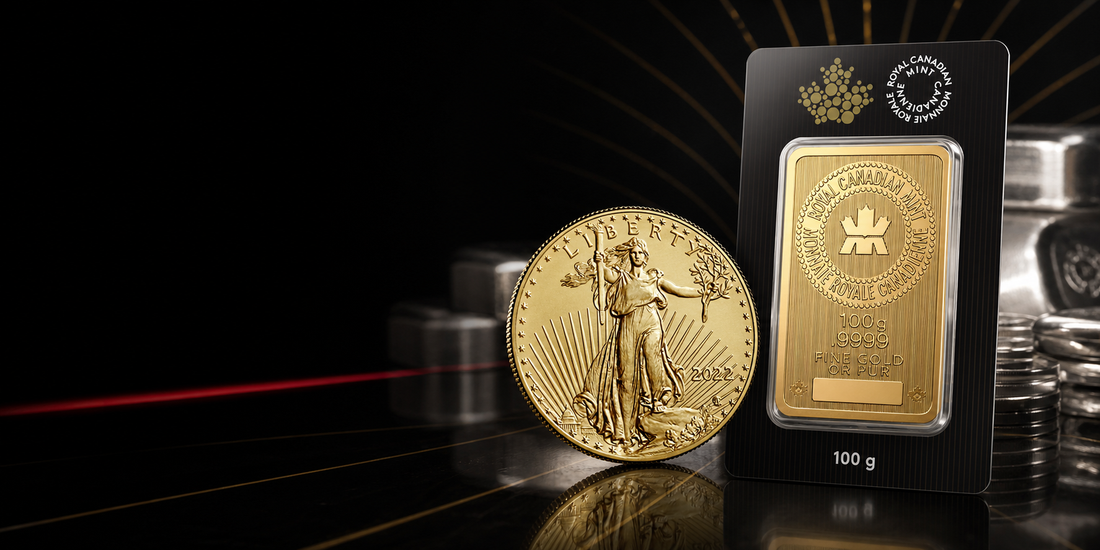
Copper is a base metal, not silver or gold. Copper rounds and bars can carry attractive designs and manufacturer marks while remaining copper products. Their material identity is separate from a design borrowed from a familiar precious metal coin.
Copper in American coinage
The U.S. Mint’s earliest coin production included copper cents and half cents in 1793. Those circulating denominations form a historical connection between copper and everyday money. A modern copper round with historic coin imagery is a different object, not an original eighteenth-century cent.
Copper bullion shapes and collectible motifs
A bar, a round and a novelty shape describe physical formats. The metal content, dimensions, weight and finish describe the actual product. Color and imagery alone cannot establish composition, and a copper piece should not be described using the purity or silver weight of the coin that inspired its design.
Start with the actual metal content
A familiar coin design on a copper round does not make the round a sovereign bullion coin. Read the actual metal, maker, weight and packaging details. A decorative finish or a recognizable motif is a separate feature from the material inside the piece.
Choose a product format
Coins, bars, rounds and other forms serve as useful shopping categories. Look at how many pieces are included and whether a weight applies to one item or a complete package. For historic coins or mixed lots, the stated fine metal content is more useful than a face value or an assumed gross weight.
Related subjects
Learn about silver coins, silver bars, pre-1933 U.S. gold and graded coins. Product specifications and availability remain specific to each offering.