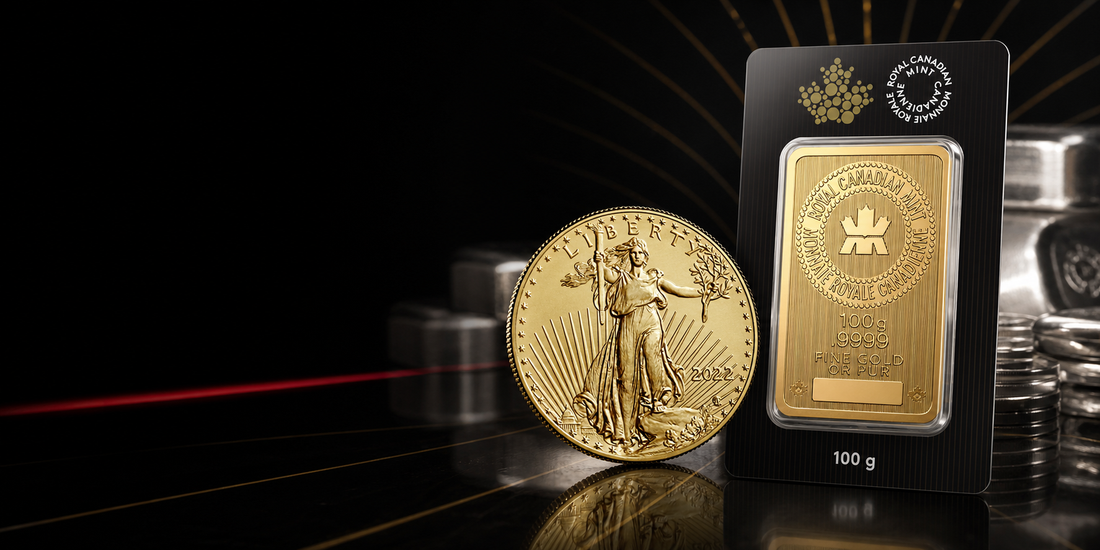
Titanium is a metallic element distinct from gold, silver, platinum and palladium. A titanium piece should be understood through its stated material, physical form and design rather than treated as conventional precious metal bullion.
Material history versus coin design
Modern metal products can adapt the shapes of coins, rounds and bars without adopting their monetary identity. A coin-like design does not create a sovereign denomination. Titanium’s use as a manufacturing material is a separate subject from the monetary history of gold and silver.
Composition and presentation
The actual listing must distinguish solid metal, alloy and surface finish. Dimensions, gross weight and packaging describe the manufactured item. An attractive finish does not establish a coin grade, and a printed motif does not prove that a government mint issued the object.
Start with the actual metal content
Titanium is different from the precious metals featured elsewhere in this catalog. A coin shaped item, a novelty piece and a manufactured bar can serve different purposes. Review the item itself and its documented specifications before comparing its price with another metal product.
Choose a product format
Coins, bars, rounds and other forms serve as useful shopping categories. Look at how many pieces are included and whether a weight applies to one item or a complete package. For historic coins or mixed lots, the stated fine metal content is more useful than a face value or an assumed gross weight.
Related subjects
Learn about silver coins, silver bars, pre-1933 U.S. gold and graded coins. Product specifications and availability remain specific to each offering.