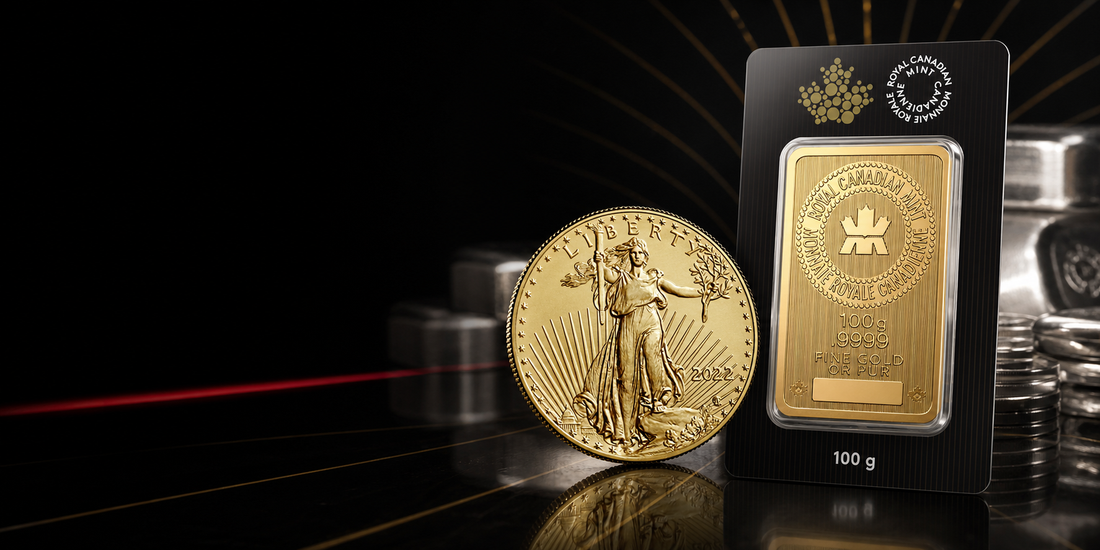
Ungraded bullion includes precious metal products without an independent numeric coin grade assigned to the offered piece. Ungraded coins are often called raw coins. The term is compatible with modern bullion, historic circulating coins and collector finishes; it does not automatically mean low quality or circulation wear.
Raw coins and the rise of certification
Coin collecting predates modern third-party slabs. Collectors historically assessed design, date, surfaces and wear directly. PCGS began operating in 1986 and NGC in 1987, helping establish today’s independent certification model. Coins outside a certified holder still need accurate identification and condition descriptions.
BU, Proof and assay packaging
BU means Brilliant Uncirculated and describes an ungraded condition category rather than an automatic MS70 assessment. Proof identifies a special manufacturing format. A capsule or mint certificate can accompany an ungraded proof coin. An assay package for a bar records metal information instead of certifying a numeric coin grade.
Understand the condition or finish
A descriptive condition, a proof finish and protective packaging answer different questions. None should be used to invent a slab grade. Check the listing for the actual condition and the form in which the product is supplied.
Compare the complete offering
A product image can illustrate a format or variable design. The written description establishes the offered weight, quantity and condition terms. Pay particular attention to random date, brand varies, secondary market and original packaging language when those details appear.
Related subjects
Learn about silver coins, silver bars, pre-1933 U.S. gold and graded coins. Product specifications and availability remain specific to each offering.
Historical and technical references: NGC: history of coin grading, PCGS: company history.