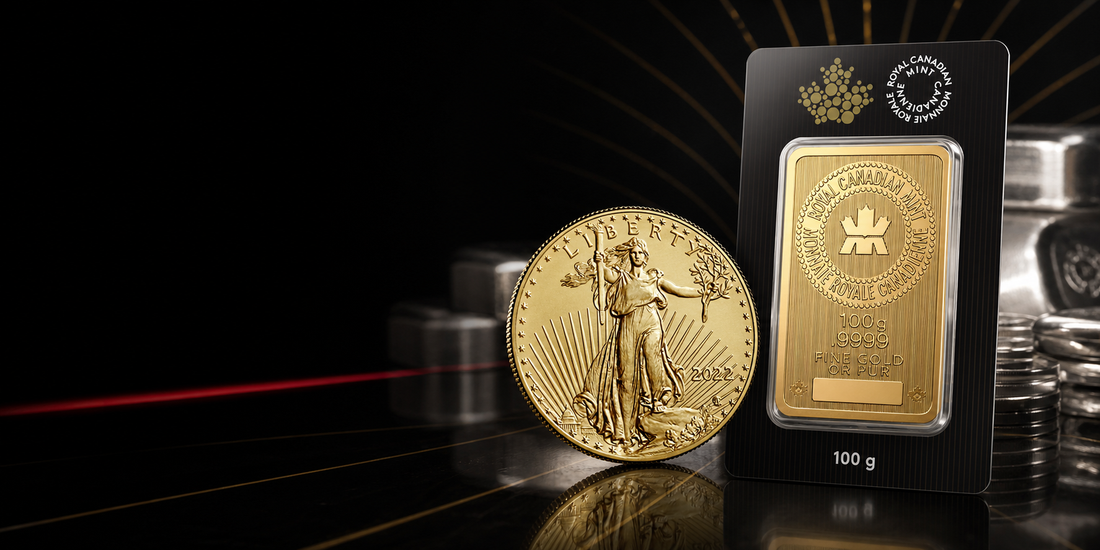
Silver bullion is physical silver in formats such as coins, bars and rounds. Silver has served both as money and as a manufactured material, so a silver product can carry historical interest, artistic detail and a stated metal quantity at the same time.
Silver money and the modern bullion era
The first United States silver dollars were struck in 1794. Much later, the American Silver Eagle program began in 1986, offering a modern one troy ounce .999 fine silver coin. These two milestones illustrate why historical silver money and contemporary bullion should not be treated as one interchangeable product class.
Silver coins, bars and rounds explained
A sovereign coin has an issuing-country monetary identity. A bar is an ingot identified by its weight, purity and maker. A round is generally a privately manufactured disc without sovereign monetary status. Shape alone does not tell you which one you have, and a national-looking design on a round does not make it a government coin.
Start with the actual metal content
A one ounce silver coin is not interchangeable with every other one ounce listing. Finish, issue year, mint, grading and package quantity can change what is being offered. Historical silver coins may also use an alloy and contain a different fine silver amount from their gross weight.
Choose a product format
Coins, bars, rounds and other forms serve as useful shopping categories. Look at how many pieces are included and whether a weight applies to one item or a complete package. For historic coins or mixed lots, the stated fine metal content is more useful than a face value or an assumed gross weight.
Related subjects
Learn about silver coins, silver bars, pre-1933 U.S. gold and graded coins. Product specifications and availability remain specific to each offering.
Historical and technical references: U.S. Mint: dollar coin history, U.S. Mint: bullion coin programs.