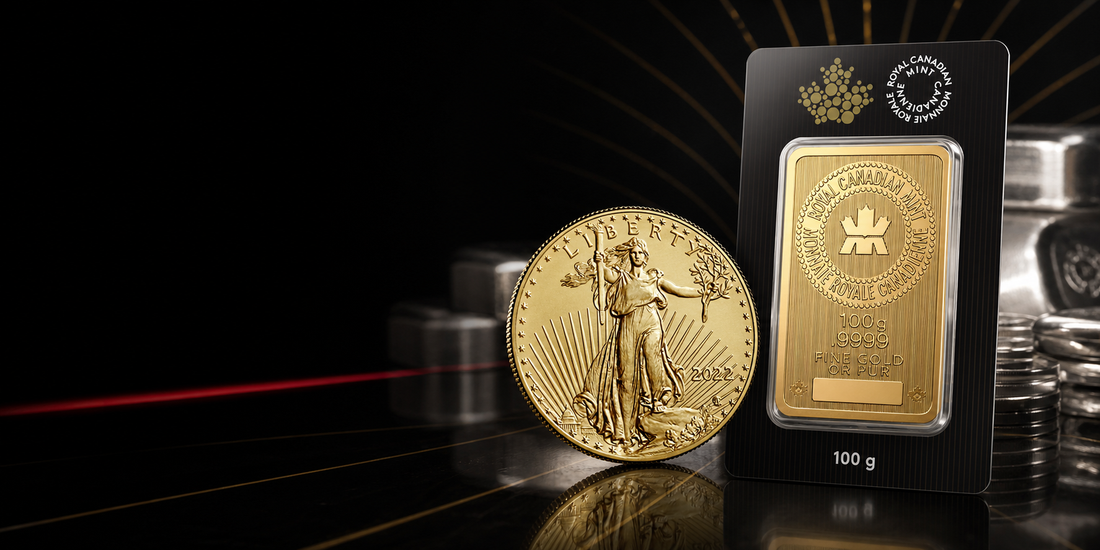
Geiger Edelmetalle products connect a manufacturer or historical attribution with a particular coin, bar or other metal format. The background of that name helps explain the product, while the issue itself supplies the denomination, metal and design.
History and context of Geiger Edelmetalle
Geiger Edelmetalle was founded in 2008 near Leipzig, Germany. Its modern business should not be assigned an ancient founding date merely because older buildings or historical symbols appear in branding. A Geiger gold bar, copper piece and silver offering also need to be distinguished by the actual metal they contain.
Mint, issuer and grading service are different roles
A mint manufactures a coin or medal. A government or territory may authorize its monetary issue, while a private brand can appear on bullion without creating a sovereign denomination. NGC and PCGS evaluate and authenticate submitted coins; neither name identifies the original mint. Keeping those roles separate makes historical and modern pieces easier to understand.
How to compare Geiger Edelmetalle listings
Compare a Geiger Edelmetalle listing by its exact size, metal and packaging. A single bar, an assay packaged piece and a boxed group of smaller bars are different offerings even when they share the same manufacturer.
Follow the product details
Start with the metal and total quantity, then compare the product form and finish. For coins, the issuing authority and series may be relevant in addition to the mint. For bars, the package format, individual piece weight and any stated assay information can help distinguish one offering from another.
Related subjects
Learn about silver coins, silver bars, pre-1933 U.S. gold and graded coins. Product specifications and availability remain specific to each offering.
Historical and technical references: Geiger Edelmetalle: company background.