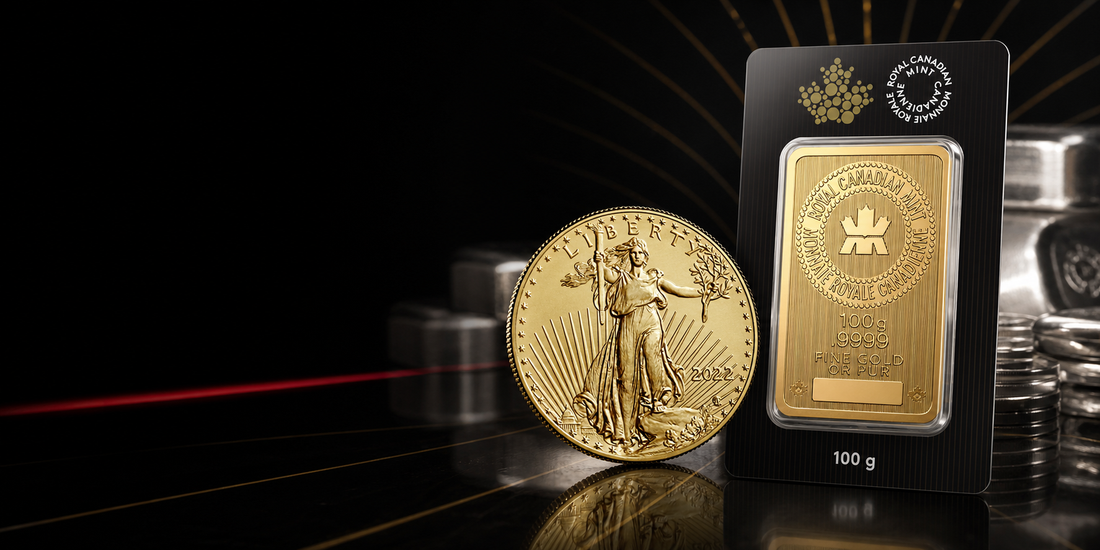
10 g bullion is a metal-weight category, not a particular coin series. The stated amount can appear in coins, bars or rounds. In precious metals, ounce labels refer to troy weight, while gram and kilogram labels use metric mass.
Troy weight and the history of standardized bullion
Precious metal markets need a common way to express the amount of gold, silver, platinum or palladium in an offering. Troy weight supplies that shared measurement: one troy ounce equals 31.1034768 grams, which is heavier than the ordinary ounce used for many household goods. Modern bullion combines weight with fineness and manufacturer markings so the metal amount can be described independently of artistic design.
What 10 g tells you about the metal
The recorded 10 g amount corresponds to approximately 10 grams. Small decimal weights can represent the fine metal in a historic alloyed coin rather than a modern standardized bar size. Gross coin weight includes every metal in the alloy, while fine weight refers only to the specified precious metal. That distinction explains why a historic denomination and a modern bullion piece can have different weights even when their diameter looks similar.
What does 10 g mean?
The 10 g category uses the weight label recorded for the product. The equivalent weight is approximately 0.321507 troy ounces. Precious metal ounce weights use troy ounces, which are different from ordinary household ounces. Labels and conversions can be rounded, so read the individual listing for the stated fine metal quantity.
Compare like amounts and formats
Check whether the quantity applies to one item or an entire package. A mixed coin lot, several small bars and a single bar can have similar total metal content while offering different physical formats. For historic or alloyed coins, fine metal content and gross coin weight are separate measurements.
Details to compare in this category
- Metals: Gold and Platinum.
- Formats: Bars.
- Mints or refiners: The Perth Mint, Valcambi, and Various Mints / Refiners.
- Listed metal amounts: 10 g.
These are catalog comparison details, not a promise that every combination is available. Use the live product list and the individual description for the actual offering.
Examples of product descriptions
Catalog examples associated with this category include 10 gram Gold Bar - Brand Varies (Carded), 10 gram Gold Bar - Brand Varies (No Card), and 10 gram Gold Bar - Perth Mint (Carded). These illustrate how issue, format and condition can differ. Availability and product selection can change.
Related subjects
Learn about silver coins, silver bars, pre-1933 U.S. gold and graded coins. Product specifications and availability remain specific to each offering.
Historical and technical references: NIST: weights and measures, LBMA: bullion market history.