2011-P Reverse Proof Silver Eagle PCGS PR70
The 2011-P Reverse Proof Silver Eagle PCGS PR70 is a silver coin. The offering identifies 2011 as its issue year. The listed metal amount is 1 oz. The stated certification is PCGS Proof 70.
History and background
The American Silver Eagle began in 1986 as a United States Mint bullion program. It brought a standardized one troy ounce silver coin to a modern market while drawing on an earlier period of American coin art. The series includes bullion, Proof and other collector formats, and its design history has continued across changing mintmarks, packaging and certification practices. A dated Silver Eagle belongs to that continuing program, rather than to the circulating silver dollar issues of the nineteenth century.
Design and product identity
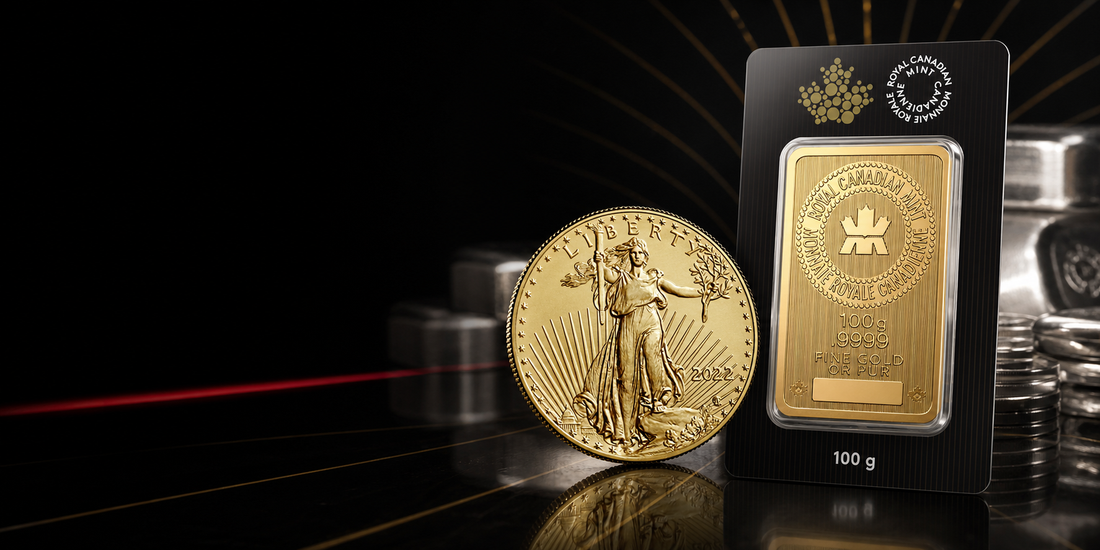
Adolph A. Weinman’s Walking Liberty image supplies the obverse: Liberty strides forward with the flag, branches and a rising sun. The image originated on the half dollar introduced in 1916. The original reverse, by John Mercanti, uses a heraldic eagle and shield. A new reverse by Emily Damstra, showing an eagle approaching a landing with an oak branch, entered the series in 2021. The distinction between these reverses matters independently of a coin’s grade or Proof finish. Its stated issue date places it before the 2021 reverse redesign.
Product specifications
- Metal: Silver
- Product format: Coins
- Listed metal amount: 1 oz
- Fineness or alloy: .999 fine silver
- Mint or maker attribution: United States Mint
- Issue-year selection: 2011
- Grading service: PCGS
- Listed grade: Proof 70
- SKU: 7011PRPSE
Understanding the metal content
Precious metal ounce weights use the troy system. One troy ounce equals 31.1034768 grams, while a kilogram equals one thousand grams. Fineness states the proportion of precious metal in an alloy; fine metal weight states the amount of that metal. An alloyed coin’s gross weight includes its other metals as well. These measurements explain why a denomination, a package weight and a stated fine metal amount should not be treated as the same specification.
Certification and the stated grade
PCGS stands for Professional Coin Grading Service. The service authenticates and grades submitted coins rather than manufacturing the original issue. This offering is identified as Proof 70. The numeric assessment concerns condition, not gold or silver purity. A certification number identifies a grading record, while the issue date identifies the coin. The holder label can also carry designations that are separate from both the coin’s denomination and its metal content. A Proof grade belongs to a specially manufactured coin. NGC generally uses PF and PCGS generally uses PR, so service terminology should be read in its own context rather than silently converting a Proof into a Mint State issue.
Preserving the product
Preserving the surface and the original identifying information helps retain the product’s physical history. Handle an unencapsulated collectible by its edges where appropriate and avoid polishing or abrasive cleaning. Keep a certified holder or stated assay package intact when retaining its identification matters. A brighter surface created by cleaning is not the same thing as a higher original condition grade.
Material, design and numismatic identity
A product’s history is carried by several different kinds of information. The issuing or manufacturing name explains its origin, the design identifies its subject, the metal specification describes its material and the condition language describes its preservation. A date can connect the piece with a particular program or historical period without proving that it is rare. These features remain meaningful together even when two offerings contain similar amounts of precious metal. Keeping them distinct provides a more accurate description of the actual object.
Historical and technical references: U.S. Mint background, NGC grading reference.
Couldn't load pickup availability
Understanding Product Pricing
Understanding Product Pricing
Our prices include the product premium and the approximately 4% payment processing fee charged by our payment providers. We accept all major credit cards, debit cards, and PayPal, and the price you see is the price you pay with no hidden checkout fees.
Shipping & Return
Shipping & Return
Please call our office within 3 days from the delivery date if you would like to return your order. Please note that you may be liable for a market-loss fee.
What is a market loss fee?
What is a market loss fee?
Due to the nature of this industry, pricing can change every second for precious metals. For this reason, we (along with all major dealers) fully hedge our inventory. This process locks in our margin at the time that we purchase the inventory, so that we do not have spot-market risk. When your order is confirmed with us (not when you pay), we “buy back” our hedge on those items, thus making the metal completely susceptible to changes in its market value. If you decide you would like to cancel your order, return your order, etc and there is a decrease in spot value of your material, you are responsible for paying us that difference in price. We often get asked if the spot market goes up, do we pay you? Although we understand where it would seem as if that should be the case, that is not how hedging works. We do not make extra profit if the spot market goes up as the cost to “buy back” the hedge on your metal also increases. Our margin is our margin, regardless of the spot market. In the event that the spot market goes up, we just break even on the product due to this rise in cost. So, no we do not pay you if the market goes up.
Your payment information is processed securely. We do not store credit card details nor have access to your credit card information.