KZOO BULLION / BULLION ACADEMY
Precious Metals for Beginners: Weight, Purity and Value

Read the object
BULLION ACADEMY · LESSON 1 OF 6 · BEGINNER
What you will learn: Read the weight and purity on a product without confusing them with its price.
Start with three questions: which metal is it, how much fine metal does it contain, and what kind of object are you buying? A familiar design or a large-looking package does not answer those questions by itself.
Meet the four main bullion metals
Gold, silver, platinum and palladium appear in the bullion market as coins and bars. They have different prices, uses and product selections. Their relative prices change; no metal is always the cheapest, safest or best choice for every buyer. Begin by comparing products within one metal rather than treating unlike pieces as interchangeable.
Troy ounces are not kitchen ounces
Precious-metal ounce weights normally use the troy system. One troy ounce equals 31.1034768 grams. The everyday avoirdupois ounce is approximately 28.3495 grams. One kilogram is 1,000 grams, or approximately 32.1507 troy ounces. The word “ounce” needs context.
A product described as a 1 oz bullion bar generally refers to its listed metal amount. A shipping label may include packaging weight and use a different ounce system. Do not use the shipping weight to calculate the bar’s metal value.
Purity and fine weight answer different questions
Fineness describes the proportion of precious metal: .999 means 99.9%; .9999 means 99.99%. Fine weight is the amount of the precious metal, excluding any alloy. A heavier alloyed coin can contain the same fine-gold amount as a lighter, higher-purity coin.
A useful gold-coin example
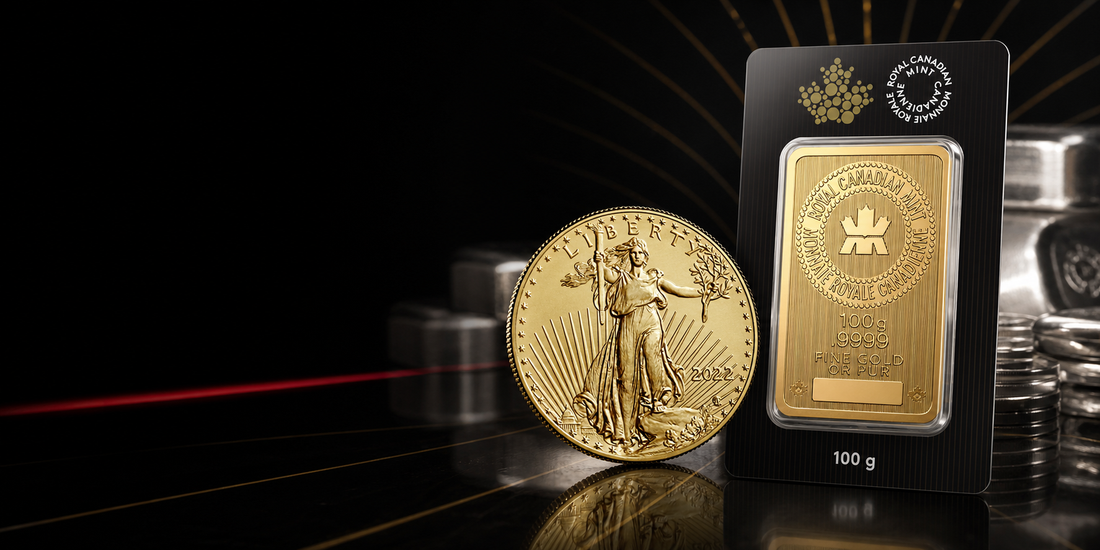
The U.S. Mint specifies its 2025 one-ounce American Eagle Gold Uncirculated Coin as 22-karat gold with 1.000 troy ounce of fine gold. Its alloy adds to gross weight. Multiplying the stated one fine-gold ounce by its purity again would undercount the gold. Always read the exact product specifications.
Face value is not the selling price
A legal-tender denomination printed on a bullion coin is different from its metal value and retail price. A privately made round can resemble a coin but have no government-issued face value. Packaging, grading and collectible characteristics may also affect the offering.
Read the actual listing
Check the metal, fine weight, stated fineness, maker or mint, condition and included packaging. “Year varies” or “design varies” means the pictured date or design is not necessarily promised. Keep the exact title and product details with your purchase record.
Quick knowledge check
A one-kilogram silver bar is about 32.15 troy ounces, not 35.27 troy ounces. Purity is a proportion; fine weight is a quantity.
Sources and further reading
Reviewed November 13, 2026. Educational product information; no promise of investment performance.