
Editorial review: November 13, 2026. Original publication date retained.
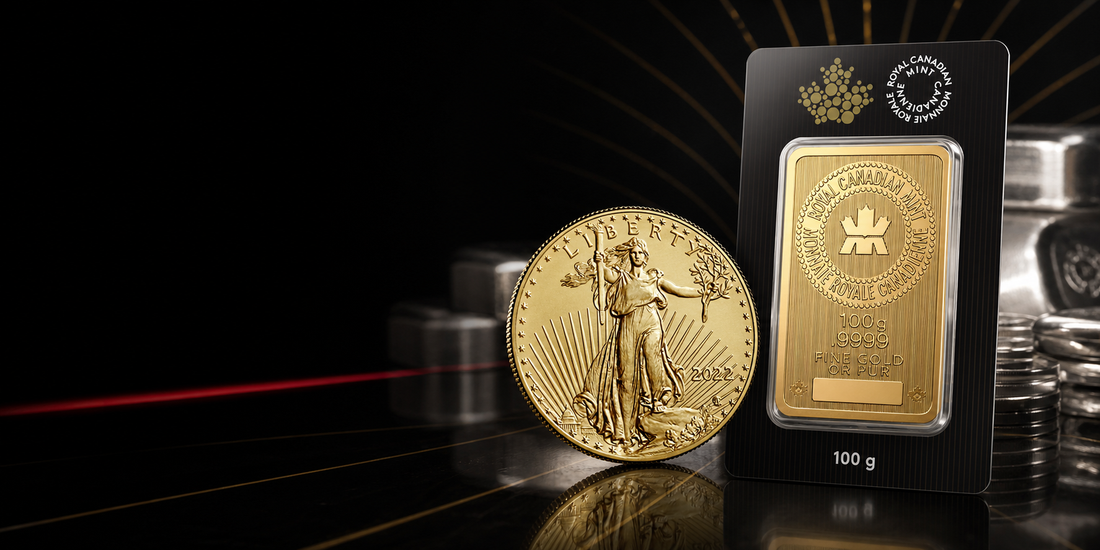
Protecting physical precious metals means considering both the object and the records that identify it. A bullion bar, an ungraded coin and a certified collectible can have different handling needs.
Handle coins with care
The U.S. Mint advises handling coins by their edges and explains that polishing or cleaning can reduce value. Avoid treating a collectible coin like a piece of jewelry that needs to be brightened. If a coin is already in a certified holder, preserve that holder and its identifying label.
Choose suitable holders and conditions
Use holders intended for coins and keep the original packaging when it helps identify the offering. Avoid unnecessary handling. Check the storage environment and packaging materials, especially when an item will remain stored for a long period.
Document what you own
Keep purchase records, product descriptions, serial numbers where present and clear photographs. Store a protected copy separately from the items. A document should distinguish the quantity of pieces from their individual weights, and a stated metal weight from a package's total shipping weight.
Review security and insurance
Ask a storage provider or insurer what is covered, what documentation is required and what exclusions apply. Do not assume that a household policy, a safe or a bank box automatically provides a particular level of insurance. For third-party storage, understand ownership, access, charges and how the actual metal can be verified.
Keep product identity intact
Explore graded coins and silver bars to compare how holders and packaging are described. For a question about a Kzoo order, use our contact page. Storage choices do not eliminate market risk.