Editorial review: November 13, 2026. Original publication date retained.
Precious metals are tangible assets, but tangibility does not make their value constant. A useful discussion of wealth preservation distinguishes ownership of an object from a guarantee about its future purchasing power.
Know the object you own
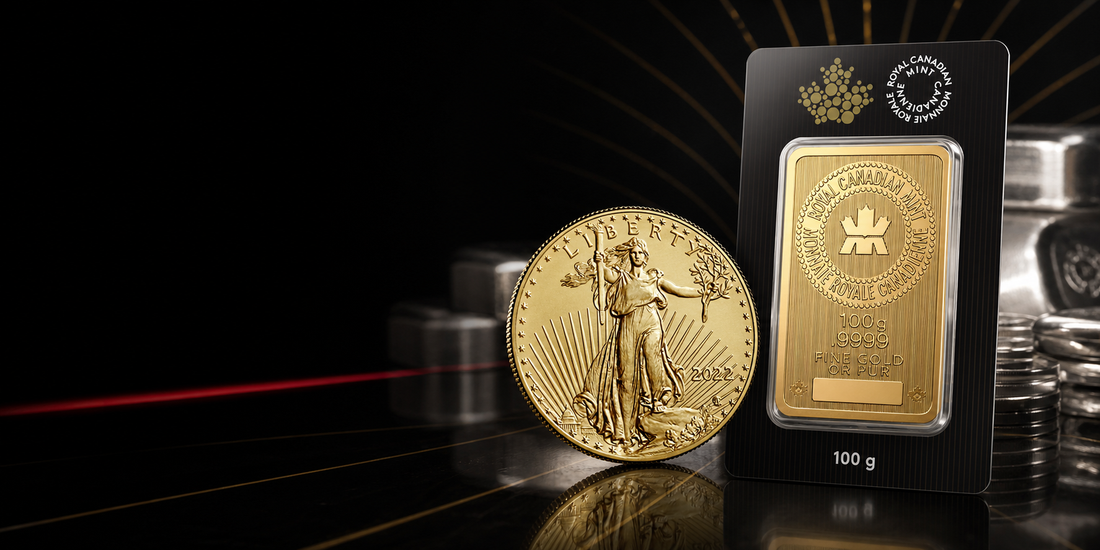
A bullion product is described by its metal, fine weight, maker or issuer and condition. A collectible may also be valued for a particular date, design, rarity or grade. The same metal content does not make all products equivalent.
Account for the cost of ownership
Purchase premiums, transaction spreads, shipping, storage and insurance can affect the economics of physical ownership. Compare a specific product's terms rather than treating a chart of the metal benchmark as the return on your purchase.
Plan for custody and records
Keep invoices and identifying information, and understand how the metal can be accessed or sold. Third-party storage calls for clear ownership and verification arrangements. An assertion that metal is safely stored is different from evidence that the identified metal exists and belongs to you.
Keep risk in perspective
Metal prices can decline, and bullion does not generate cash flow on its own. A claim that an asset protects wealth in every economic environment is too broad. Decisions about household reserves, diversification and liquidity should reflect individual circumstances.
Compare gold bars, silver bars and graded collectibles using their distinct specifications. The learning center explains product formats and catalog history. This article supplies context rather than a guaranteed outcome.