Editorial review: November 13, 2026. Original publication date retained.
Physical precious metals let a buyer own an identifiable coin, bar or round. That feature can appeal to collectors and people who want direct ownership, but it comes with costs and decisions that differ from owning a financial security.
Direct ownership and product choice
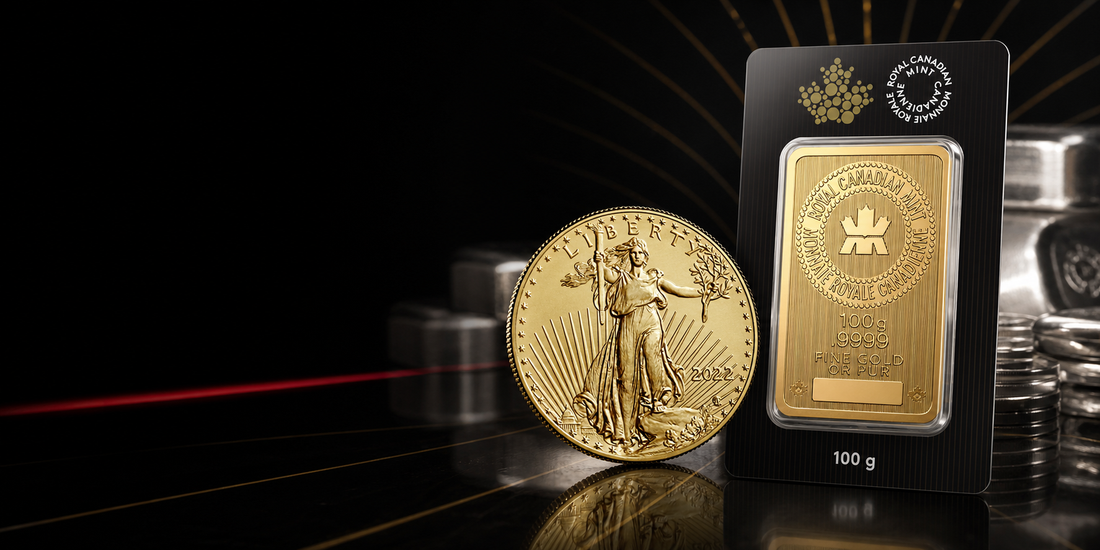
Gold and silver are available in many weights and forms. A smaller piece and a larger bar can differ in premium, handling and resale practicality. A graded coin adds a certified condition assessment; it is not simply an interchangeable quantity of metal.
Benefits are specific, not universal
A physical object can be held, inspected and documented. A collecting project can also have historical and artistic interest. Neither feature establishes that a purchase will outperform another asset or preserve a fixed amount of purchasing power.
Consider the complete cost
Look at the purchase premium, likely transaction spread and any delivery, storage or insurance expense. The spot benchmark is not a promise of a retail buyback price. Ask questions about the actual item and the terms of the transaction.
Understand ongoing responsibilities
Keep records and protect the object and its packaging. If another party holds the metal, understand ownership and access. Avoid treating promotional claims about safety, scarcity or future prices as a substitute for checking product details and risks.
Start with gold bullion, silver bullion or the collecting guide. The right comparison depends on what you intend to own and why. This guide does not recommend a particular investment or allocation.