Editorial review: November 13, 2026. Original publication date retained.
There is no single reason everyone should buy precious metals. A useful starting point is to ask how a purchase fits your objectives, budget and ability to handle losses.
1. What exactly is being offered?
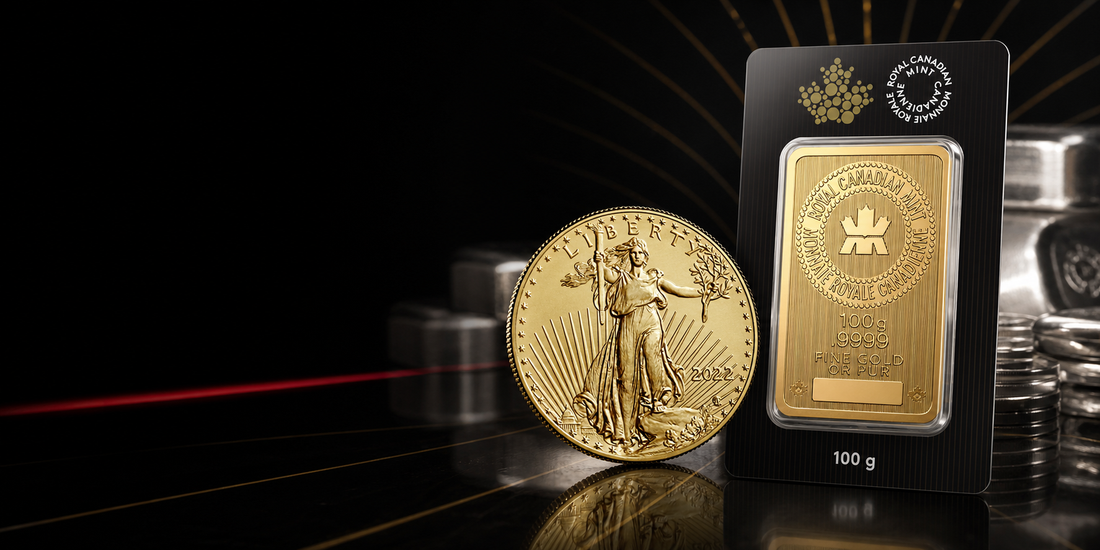
Confirm the metal, fine weight, issuer or maker, condition and packaging. A bullion coin, a private round, a graded collectible and an electronic testing instrument are different products. Similar imagery does not make them interchangeable.
2. What is the complete transaction cost?
Compare the quoted price for the same quantity and payment method. Include shipping and any other applicable charges. A premium over spot is not the same thing as a forecast of future value.
3. Who holds the metal?
Understand whether you receive the product or a third party stores it. If storage is involved, establish ownership, access, insurance terms and fees rather than relying on a broad assurance of safety.
4. How would you sell?
The price paid to acquire a product and a later buyback quote can differ. Product condition, demand and transaction size may affect resale. Keep records and do not assume that a dealer promises to repurchase every product.
5. What losses could you tolerate?
Metals prices fluctuate. Physical bullion does not produce income on its own, and leverage adds obligations beyond the metal's price movement. The CFTC cautions against guaranteed-profit and crisis-based sales pitches.
Explore gold and silver listings by their current product details. For more background, visit the bullion learning center. These questions support comparison rather than a personalized investment recommendation.